About
I'm here to help expand your aircraft maintenance knowledge
I'm Keyran Walsh. Maintenance Flight is where aviation's unsung heroes (technicians, repairmen, and specialists) put what they know on the record.
Keyran Walsh
Host, Maintenance Flight
If you have ever found yourself elbow-deep in a repair wishing someone had given you a heads-up about the one trick that makes the job easier, you are not alone. The small adjustments that never made it into the manual, the judgement that only arrives after hours of trial and error: that knowledge is real, and right now most of it lives in individual heads and walks out the door at the end of a career.
This podcast exists to turn those hard-earned lessons into something the whole trade can use.
We dig into the scenarios you actually face: intermittent faults that make you question your own troubleshooting, and fixes where the answer turns out to be frustratingly simple and documented nowhere. All of it is meant to help us handle the hard work faster and with less stress.
So welcome aboard. Whether you are here to share your own war stories or to pick up something useful, you are part of this. Let us learn from each other and raise the standard of the craft together.
Background
A&P
Embry-Riddle
BS Aviation Maintenance Management
Parks College, SLU
Bombardier
Airframe & engine shop, Wichita
American Eagle
ORD line & hangar, ERJ-145
Pinnacle Airlines
CRJ-200, MSP
Cessna
Manufacturing Engineer, Citation 560XL
Powerplants worked
- TFE731
- PW305A
- AE3007
My commitment to you
No manufactured personality, no script read off a page. What you hear is what you would get standing next to me on the floor.
How I got here
My route into aviation is not the one you usually hear around the hangar. No family history in the military or in aviation, no aircraft in the family, no cool mechanic at the local airport who walked me through an inspection. Those are all great paths. I had a different angle of attack entirely.
The long way in
My father was an architect and my mother was a travel agent for most of her career. Travelling with them as a kid is what started it. We lived in Central Asia for a few years and moved around Asia and Europe constantly. Long stretches on aircraft grew on me. I loved the smell of Jet-A, though I did not know the term yet. I remember the whine of the engines spooling up, and the roller-coaster feeling you sometimes got in the air.
So why maintenance rather than flying? I used to help my father with house renovations, he was a hands-on kind of architect, and work on the family car with him. I liked the mechanical side, understanding how a thing was built and how it behaved as a system. But I was not interested in designing buildings, and cars do not make enough noise or thrust. By high school I had settled on aviation.
I thought the military would be the way in. We were living in Hawaii, and as anyone who has been to Oahu knows, there is no shortage of bases. A Navy recruiter suggested I try for a pilot slot given how much I wanted to fly. The colour vision test settled that question for me.
A&P, then management
The next best thing was combining the technical interest with aviation, so I went the civilian route instead. That took me to the Sunshine State and an A&P at Embry-Riddle. After a few years and an associate degree I wanted to pair the technical education with management, so I headed to Parks College at Saint Louis University for a Bachelor of Science in aviation maintenance management.
Wichita: airframe, then engines
After graduation I wanted to get straight into wrenching. I thought the airlines would be the best route, but in 1999 they were not paying for a move, and a new graduate has no spare cash for a cross-country relocation. The search ended at Bombardier in Wichita, Kansas.
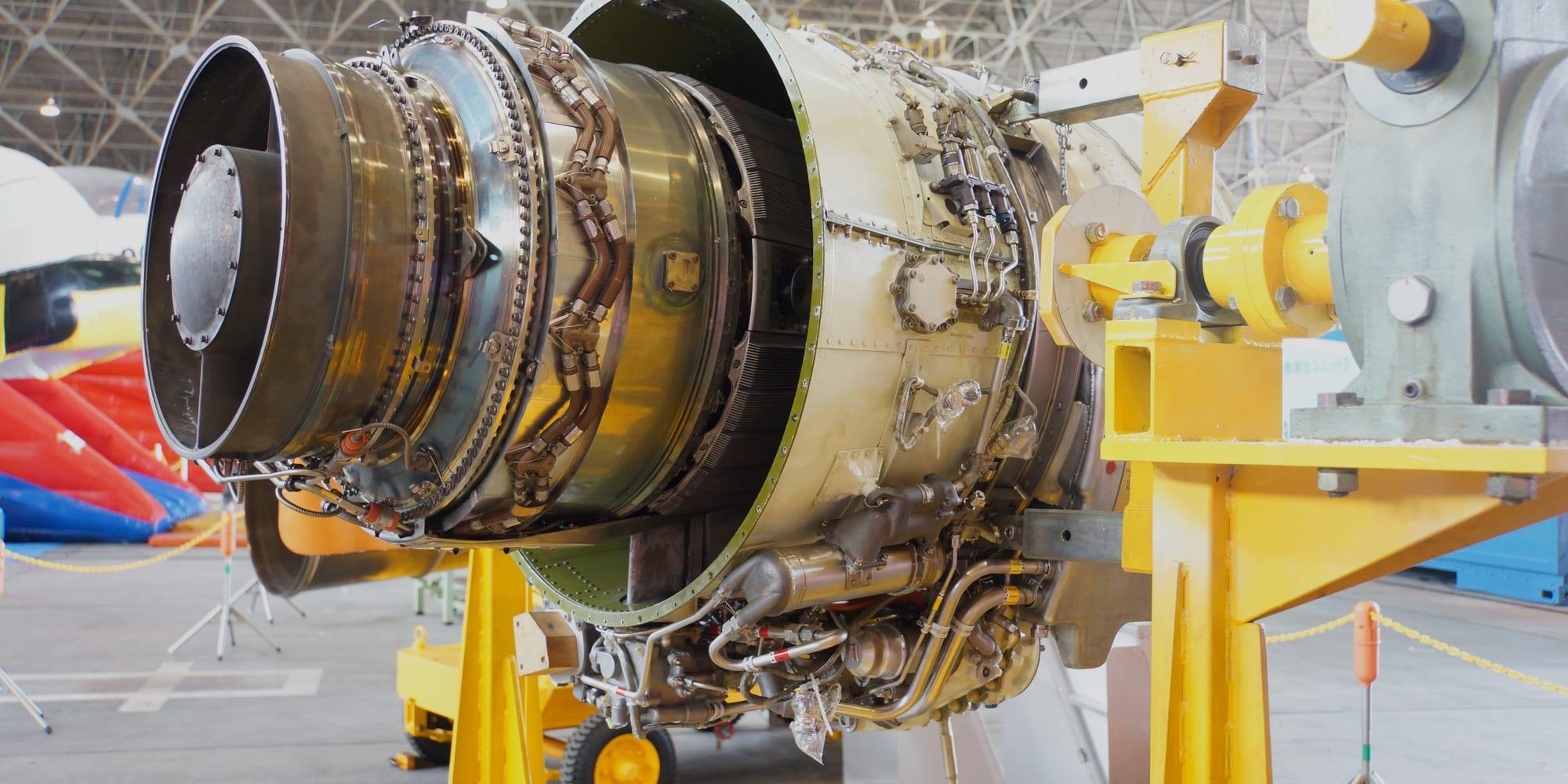
I started on the floor as an airframe guy, pulling fuel panels for major inspections and resealing them afterward. I got very familiar with B½, I still remember the smell. A few months in, a position opened in the engine shop, and that was a real high point. Engines, and run-ups. The shop worked powerplants used on Lears: the Honeywell TFE731 and the Pratt & Whitney PW305A. I ran Major Periodic Inspections on the 731s and Hot Section Inspections on the 305s. Two very different engines, as anyone who has worked both will tell you, and something we will absolutely get into on the podcast.
The line: O’Hare, then Minneapolis
After a few years I wanted new challenges and bigger aircraft, so I moved to Chicago and joined American Eagle at O’Hare, working both the terminal and the hangar. I liked that no two days matched. The terminal was a two-sided coin: one minute you are watching a movie in the line office, the next you are on top of an AE3007 trying to lock open an anti-ice valve while getting doused with Type II from the de-ice truck at the next gate. I became engine run and taxi qualified on the Embraer 145. Taxiing aircraft and working the radios at one of the busiest airports in the world leaves an impression. I enjoyed every minute.
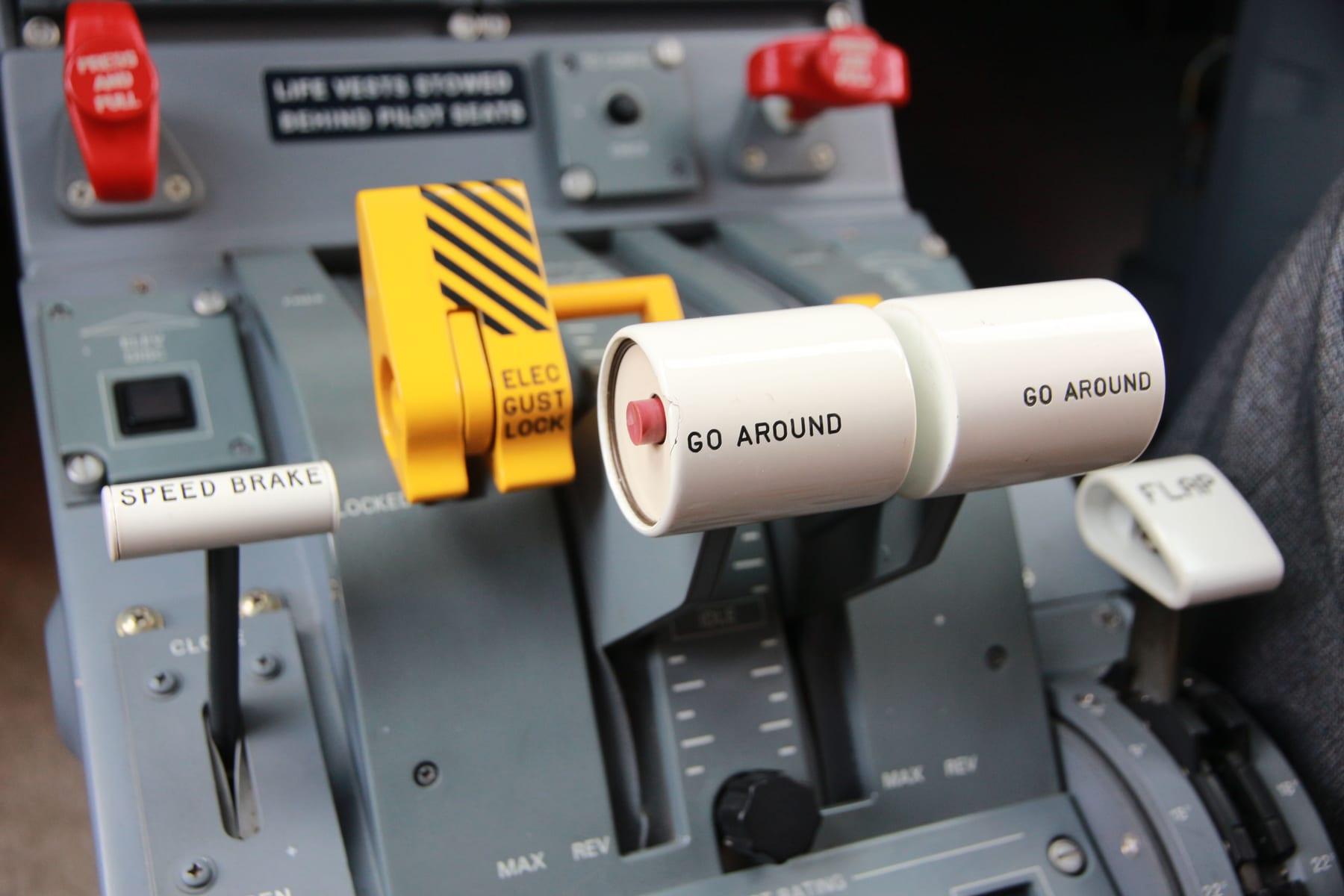
About three years later I moved somewhere colder, because I am nuts. MSP was next, maintaining CRJ-200s for Pinnacle Airlines, a completely different experience from Chicago. The Pinnacle line office sat three-quarters of a mile to a mile from the RJ terminal, so a shift meant sitting in a van waiting for a squawk to come in or a scheduled service check during a gate turn. MSP ran roughly sixty percent fewer daily departures than ORD. I enjoyed my time on the CRJ, and I came away with a real appreciation for the differences between Embraer and Bombardier.
Cessna, and the view from the factory
From Minneapolis I went back to Wichita, this time as a Manufacturing Engineer with Cessna. I owned the last seven positions on the final assembly line for the Citation 560XL, supporting the assemblers by coordinating dispositions and engineering deviations when they could not build an installation per engineering. It was a great job, and it gave me a close look at aircraft manufacturing from the inside.
After a few years in the factory I wanted challenges that did not involve listening to high-locks getting pounded into wing spars. An opportunity opened in Cessna’s sales and marketing department and I took it, a real departure from rivet guns and engineering drawings, but a great job working with future Citation customers. That’s the angle the show comes from: not just wrenching, but how the wrenching connects to the build and the business around it.
Back to the floor
When the economy took a nose dive in 2009 I was part of a reduction in force. That led to a series of management roles in sales and operations at several companies. I learned a great deal from all of them, but I wanted to get back to my roots, to where the career actually started.
I want to be around people who enjoy talking about aviation maintenance and the troubleshooting problems that surface every single day. Starting this podcast seemed like the most direct way to do it. This podcast was built for anyone who genuinely loves the puzzle of aviation maintenance, the head-scratching squawks and the daily wins on the floor. If that sounds like your kind of trouble, grab a headset… “Ground, Maintenance Flight 1, company hangar ready to taxi to the terminal.”